Solar Panel Cost Breakdown in 2026: Equipment, Installation, and Lifetime Maintenance Guide
- Initial Investment
- Estimated 30-Year Maintenance
- Total Ownership Cost
- Texas
- Florida
- California
- What is the biggest cost in a residential solar system?
- How much does a complete residential solar system cost?
- How much maintenance do solar panels require?
- Is battery storage worth the additional cost?
- How long do residential solar systems last?
Solar Panel Cost Breakdown in 2026: Equipment, Installation, and Lifetime Maintenance
Installing a residential solar energy system is one of the best long-term investments homeowners can make. Modern solar technology delivers lower electricity bills, greater energy independence, and increased property value. However, one of the biggest questions homeowners ask before purchasing a system is:
"What does a complete solar panel system actually cost?"
Many people assume the price they receive from a solar installer only covers the panels themselves. In reality, solar panels account for just one portion of the total investment. A complete residential solar system includes high-efficiency panels, inverters, mounting hardware, electrical equipment, labor, permits, inspections, monitoring systems, and ongoing maintenance throughout the system's lifespan.
Understanding these costs helps homeowners compare quotes more effectively, avoid hidden expenses, and calculate a realistic return on investment (ROI).
This comprehensive 2026 guide breaks down every major cost associated with residential solar systems—from equipment and installation to maintenance, component replacement, and long-term ownership.
Understanding the True Cost of Residential Solar
The total installed cost includes much more than rooftop panels.
A complete solar system typically consists of:
- Solar panels
- Solar inverter
- Mounting system
- Electrical wiring
- Safety disconnects
- Monitoring equipment
- Labor
- Roof preparation
- Building permits
- Utility interconnection
- Optional battery storage
- Future maintenance
Understanding how each component contributes to the overall investment allows homeowners to compare installer proposals based on value rather than price alone.
Average Residential Solar Installation Cost in 2026
Installed costs vary according to system size, equipment quality, roof complexity, and regional labor rates.
| System Size | Average Installed Cost |
|---|---|
| 4 kW | $10,000–$14,000 |
| 6 kW | $15,000–$20,000 |
| 8 kW | $20,000–$27,000 |
| 10 kW | $24,000–$33,000 |
| 12 kW | $29,000–$39,000 |
These estimates reflect professionally installed systems before federal, state, or utility incentives.
Solar Panel Equipment Cost Breakdown
Equipment usually represents 55–65% of the total project budget.
| Equipment | Typical Cost |
|---|---|
| High-efficiency solar panels | $7,500–$15,500 |
| Solar inverter | $1,200–$3,500 |
| Mounting rails & hardware | $800–$2,000 |
| Electrical components | $900–$2,500 |
| Monitoring system | $300–$900 |
| Wiring & conduit | $500–$1,200 |
| Safety disconnects | $200–$700 |
Premium equipment generally costs more but often produces greater lifetime energy output and includes longer warranty coverage.
Solar Panel Costs
Solar panels remain the largest equipment expense.
Pricing depends on:
- Efficiency
- Technology (TOPCon, HJT, N-Type)
- Manufacturer
- Warranty
- Power rating
- Degradation rate
Premium panels typically generate more electricity over their lifetime, improving long-term ROI despite higher upfront costs.
Solar Inverter Costs
The inverter converts direct current (DC) into usable alternating current (AC).
| Inverter Type | Equipment Cost |
|---|---|
| String inverter | $1,000–$2,500 |
| Microinverters | $2,500–$4,500 |
| Hybrid inverter | $2,500–$5,500 |
Battery-ready hybrid inverters generally require a larger initial investment but simplify future energy storage upgrades.
Mounting System Costs
Proper mounting hardware secures panels for decades.
Average installed cost:
| Roof Type | Mounting Cost |
|---|---|
| Asphalt shingles | $800–$1,500 |
| Metal roof | $900–$1,700 |
| Tile roof | $1,500–$3,000 |
| Flat roof | $1,800–$3,500 |
Roof type significantly affects installation complexity.
Labor and Installation Costs
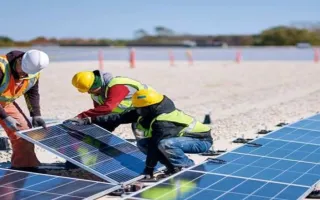
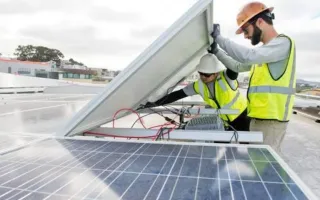
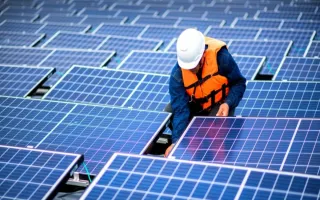
Professional installation includes:
- Roof preparation
- Panel mounting
- Electrical wiring
- Inverter installation
- System testing
- Utility connection
| Service | Average Cost |
|---|---|
| Roof preparation | $300–$2,000 |
| Installation labor | $3,000–$6,500 |
| Electrical work | $1,000–$2,500 |
| Testing & commissioning | $300–$800 |
Labor generally accounts for 30–40% of the total project cost.
Permit and Inspection Costs
Before operating a residential solar system, homeowners usually require:
- Building permits
- Electrical permits
- Structural review
- Utility approval
- Final inspection
| Permit | Average Cost |
|---|---|
| Building permit | $150–$600 |
| Electrical permit | $100–$500 |
| Structural review | $300–$1,000 |
| Utility interconnection | $150–$500 |
Most professional installers include these costs within their proposals.
Optional Battery Storage Costs
Battery systems increase energy independence and provide backup power.
| Battery Capacity | Installed Cost |
|---|---|
| 5–7 kWh | $5,000–$8,000 |
| 10–13 kWh | $9,000–$15,000 |
| 15–20 kWh | $15,000–$22,000 |
Although optional, battery systems are increasingly popular in regions with frequent outages or time-of-use electricity pricing.
Lifetime Maintenance Costs
Solar systems require minimal maintenance compared with many other home improvements.
Typical maintenance includes:
| Maintenance Item | Estimated Cost |
|---|---|
| Annual inspection | $150–$350 |
| Professional cleaning | $150–$400 |
| Inverter replacement | $1,500–$3,500 |
| Wiring repairs | $200–$800 |
| Panel replacement | $350–$900 each |
| Monitoring subscription (if applicable) | $0–$150/year |
Most homeowners spend $3,500–$8,000 on maintenance during a 25–30 year system lifespan.
Lifetime Ownership Cost
A complete ownership estimate includes installation plus maintenance.
| Category | Estimated Cost |
|---|---|
| Initial installation | $25,000 |
| Routine maintenance | $4,500 |
| Inverter replacement | $2,500 |
| Miscellaneous repairs | $1,500 |
Estimated Lifetime Cost: Approximately $33,500
For many homeowners, electricity savings exceed total ownership costs over the life of the system.
Example Cost Breakdown
A homeowner installs an 8 kW residential solar system.
Initial Investment
| Item | Cost |
|---|---|
| Solar panels | $15,600 |
| Microinverters | $3,600 |
| Mounting system | $1,700 |
| Electrical equipment | $1,400 |
| Installation labor | $4,000 |
| Permits & inspections | $1,000 |
Total Installation Cost: $27,300
Estimated 30-Year Maintenance
| Item | Cost |
|---|---|
| Annual inspections | $4,000 |
| Cleaning | $2,000 |
| Minor repairs | $1,500 |
| Equipment replacement | $2,500 |
Total Maintenance Cost: $10,000
Total Ownership Cost
Approximately $37,300
If the system generates 12,800 kWh annually and offsets roughly $2,600 in yearly electricity costs, the homeowner could save more than $78,000 over 30 years, producing substantial net financial gains.
Hidden Costs Homeowners Often Overlook
Before signing a contract, ask whether these expenses are included:
- Roof repairs
- Electrical panel upgrades
- Tree trimming
- Internet connection for monitoring
- Homeowner association approvals
- Roof replacement after installation
- Solar removal and reinstallation
- Extended workmanship warranties
Understanding these costs prevents unexpected surprises later.
Tips for Reducing Solar System Costs
- Compare proposals from at least three certified installers.
- Take advantage of available federal and local incentives.
- Install premium panels with long warranties.
- Bundle battery installation when incentives apply.
- Schedule regular inspections.
- Clean panels periodically.
- Trim nearby trees.
- Review financing carefully.
- Monitor production throughout the year.
- Choose equipment with proven long-term reliability.
State-Specific Notes
Texas
Texas homeowners benefit from excellent solar production but should invest in panels and mounting systems rated for hail resistance and high-temperature performance. Surge protection is also recommended because of frequent thunderstorms.
Florida
Florida's humid climate and hurricane exposure require corrosion-resistant hardware, hurricane-rated mounting systems, and regular inspections—particularly in coastal areas where salt air accelerates wear.
California
California homeowners often pair solar systems with battery storage to maximize savings under time-of-use electricity pricing and maintain backup power during Public Safety Power Shutoff (PSPS) events. High-efficiency panels can also help maximize production where roof space is limited.
Frequently Asked Questions
What is the biggest cost in a residential solar system?
Solar panels are generally the largest equipment expense, while installation labor is usually the second-largest portion of the total project cost.
How much does a complete residential solar system cost?
Most professionally installed residential systems cost between $15,000 and $33,000 before incentives, depending on system size, equipment quality, and installation complexity.
How much maintenance do solar panels require?
Maintenance is relatively low. Most homeowners schedule annual inspections, occasional professional cleaning, and should expect one inverter replacement during the system's lifespan.
Is battery storage worth the additional cost?
Battery storage is optional but can increase energy independence, provide backup power during outages, and improve financial returns in areas with high peak electricity rates.
How long do residential solar systems last?
Most high-quality solar panels continue producing electricity for 25–30 years or longer, while inverters typically require replacement after 10–15 years, depending on the technology and manufacturer.
Conclusion
Understanding the complete cost of a residential solar system requires looking beyond the price of the panels alone. Equipment, inverters, mounting hardware, labor, permits, inspections, and long-term maintenance all contribute to the total cost of ownership.
Although premium systems require a larger upfront investment, they often deliver greater lifetime energy production, lower maintenance costs, stronger warranties, and higher overall ROI. By comparing complete installation proposals rather than focusing solely on price, homeowners can make smarter financial decisions and maximize the value of their solar investment.
Ready to install solar? Request detailed quotes from certified installers, compare equipment quality and lifetime ownership costs, and choose a residential solar system designed to provide decades of reliable energy savings and long-term financial value.