Why Your Solar Panels Produce Less Power Than Expected: 15 Hidden Causes & Proven Ways to Improve Performance (2026 Guide)
- Understanding Expected Solar Panel Performance
- Common Reasons Solar Panels Produce Less Power
- 1. Dirty Solar Panels
- 2. Tree Shading
- 3. High Temperatures
- 4. Inverter Problems
- 5. Natural Panel Degradation
- 6. Weather Conditions
- 7. Loose Electrical Connections
- 8. Damaged Solar Cells
- 9. Incorrect Monitoring Data
- 10. Improper System Design
- 11. Seasonal Sun Angle Changes
- 12. Panel Orientation and Tilt
- 13. Aging Balance-of-System Components
- 14. Wildlife Interference
- 15. Utility Curtailment or Export Limits
- How Much Power Can Each Problem Reduce?
- Average Repair and Optimization Costs (2026)
- Example Cost and Savings Calculation
- How to Improve Solar Panel Performance
- State-Specific Notes
- Texas
- Florida
- California
- Frequently Asked Questions
- Why are my solar panels producing less electricity than last year?
- Is some performance loss normal?
- Can dirty panels really reduce efficiency?
- How can I tell if my inverter is causing the problem?
- Should I replace old solar panels?
Why Your Solar Panels Produce Less Power Than Expected
After investing thousands of dollars in a residential solar system, homeowners naturally expect significant reductions in their electricity bills. While modern solar panels are highly reliable and can last 25–30 years, it's common for owners to notice that their systems aren't producing as much electricity as originally estimated.
In many cases, this isn't due to faulty equipment. Solar energy production depends on dozens of factors, including weather conditions, panel orientation, shading, dirt accumulation, inverter efficiency, temperature, system design, and natural panel degradation.
Understanding why your solar panels produce less power than expected is the first step toward restoring optimal performance and maximizing your return on investment (ROI).
This comprehensive guide explains the most common reasons behind reduced solar production, how to diagnose the problem, estimated repair costs in 2026, and practical solutions to improve system efficiency.
Understanding Expected Solar Panel Performance
When installers estimate annual energy production, they use ideal assumptions based on:
- Average sunlight hours
- Roof orientation
- Local climate
- System size
- Historical weather data
- Equipment efficiency
Actual production naturally varies from month to month. Small fluctuations are normal, but consistent underperformance deserves investigation.
Most residential systems should operate within 90–100% of their expected annual production after accounting for weather variations.
Common Reasons Solar Panels Produce Less Power
1. Dirty Solar Panels
Dust, pollen, bird droppings, leaves, and pollution gradually block sunlight from reaching the photovoltaic cells.
Even a thin layer of dirt can reduce efficiency by several percentage points.
Typical production loss:
- Light dust: 2–5%
- Heavy dirt: 10–20%
Regular cleaning restores performance quickly.
2. Tree Shading
Shade is one of the biggest enemies of solar production.
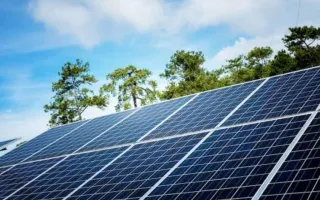
Growing trees may block sunlight that wasn't present when the system was installed.
Even partial shading on one panel can affect the output of multiple panels in a string system.
3. High Temperatures
Many homeowners assume hotter weather increases solar production.
In reality, solar panels operate more efficiently in cool, sunny conditions.
Every degree above the panel's optimal operating temperature slightly reduces electrical efficiency.
Summer production may therefore be lower than expected despite longer daylight hours.
4. Inverter Problems
The inverter converts DC electricity into usable AC power.
Common inverter issues include:
- Internal faults
- Aging components
- Overheating
- Software errors
- Communication failures
A malfunctioning inverter can significantly reduce overall system output.
5. Natural Panel Degradation
Solar panels slowly lose efficiency over time.
Average degradation:
- 0.3–0.8% annually
After 25 years, quality panels often still operate at 80–90% of their original capacity.
6. Weather Conditions
Production naturally changes because of:
- Cloud cover
- Rain
- Snow
- Wildfire smoke
- Haze
- Seasonal daylight hours
Comparing one cloudy month to a sunny month can create the impression of system failure when performance is actually normal.
7. Loose Electrical Connections
Outdoor electrical connections experience:
- Expansion and contraction
- Moisture exposure
- Wind vibration
- Corrosion
Loose wiring creates resistance and reduces system efficiency.
8. Damaged Solar Cells
Panels may develop:
- Microcracks
- Hot spots
- Delamination
- Moisture intrusion
These issues often require professional inspection using thermal imaging equipment.
9. Incorrect Monitoring Data
Sometimes the solar system is performing normally, but the monitoring software reports incorrect information because of:
- Internet gateway issues
- Software bugs
- Firmware problems
Always verify production using utility bills or inverter readings.
10. Improper System Design
Some underperforming systems were incorrectly designed from the beginning.
Examples include:
- Undersized inverter
- Poor roof orientation
- Incorrect string configuration
- Insufficient ventilation
Professional system audits can identify design limitations.
11. Seasonal Sun Angle Changes
Solar production naturally decreases during winter because:
- Shorter daylight hours
- Lower sun angle
- Increased cloud cover
This seasonal variation is expected and should be included in annual production estimates.
12. Panel Orientation and Tilt
Panels facing true south (in the Northern Hemisphere) generally produce the highest annual output.
East- or west-facing roofs may generate 10–20% less electricity depending on location.
Improper tilt angles also reduce efficiency.
13. Aging Balance-of-System Components
While panels last decades, supporting components such as:
- Optimizers
- Microinverters
- Disconnect switches
- Wiring
- Connectors
may require replacement sooner.
14. Wildlife Interference
Birds, squirrels, and rodents may:
- Chew wiring
- Build nests beneath panels
- Damage insulation
Protective critter guards can prevent these issues.
15. Utility Curtailment or Export Limits
In some utility service areas, grid operators may temporarily limit solar exports during periods of low demand or grid congestion.
Although uncommon for most residential systems, these restrictions can affect overall production or exported energy credits.
How Much Power Can Each Problem Reduce?
| Issue | Estimated Energy Loss |
|---|---|
| Light dirt | 2–5% |
| Heavy dirt | 10–20% |
| Tree shading | 10–40% |
| Inverter malfunction | 15–100% |
| Hot spots | 5–25% |
| Loose wiring | 5–15% |
| Damaged panel | 10–30% |
| High temperatures | 5–12% |
| Snow coverage | 20–100% |
| Incorrect orientation | 10–20% |
Average Repair and Optimization Costs (2026)
| Service | Average Cost |
|---|---|
| Professional inspection | $150–$350 |
| Solar panel cleaning | $150–$400 |
| Thermal imaging inspection | $250–$500 |
| Wiring repair | $200–$800 |
| Optimizer replacement | $150–$350 |
| Microinverter replacement | $250–$700 |
| String inverter replacement | $1,200–$3,000 |
| Panel replacement | $350–$900 |
| Tree trimming | $300–$1,500 |
| Performance audit | $250–$600 |
Example Cost and Savings Calculation
A homeowner has a 10 kW solar system expected to generate 14,000 kWh per year.
However, actual production falls to 11,900 kWh, representing a 15% loss.
A professional inspection reveals:
- Heavy dirt buildup
- One faulty optimizer
- Tree shading during afternoon hours
Maintenance costs:
| Service | Cost |
|---|---|
| Panel cleaning | $250 |
| Optimizer replacement | $250 |
| Tree trimming | $600 |
| Inspection | $250 |
Total Cost: $1,350
After maintenance, annual production returns close to the original estimate, potentially saving hundreds of dollars in electricity costs each year and improving long-term ROI.
How to Improve Solar Panel Performance
To maximize energy production:
- Clean panels every 6–12 months.
- Monitor production weekly using your solar app.
- Schedule professional inspections every 1–2 years.
- Trim nearby trees before shading becomes significant.
- Replace aging inverters when efficiency declines.
- Inspect the system after severe storms.
- Keep roof-mounted equipment free of debris.
- Update inverter firmware when available.
- Repair damaged wiring immediately.
- Keep warranty documentation and maintenance records.
State-Specific Notes
Texas
Texas experiences high temperatures, frequent dust storms, and occasional hail. Homeowners should clean panels every 3–6 months in dusty regions and inspect systems after severe weather.
Florida
Florida's humidity, salt air, and hurricane season can affect electrical connections and mounting hardware. Coastal homeowners should schedule annual inspections to prevent corrosion.
California
Wildfire smoke, ash, drought-related dust, and seasonal heat waves can reduce solar production. Monitoring system performance closely during wildfire season helps identify when additional cleaning is necessary.
Frequently Asked Questions
Why are my solar panels producing less electricity than last year?
Possible causes include dirt accumulation, shading, inverter issues, aging equipment, weather changes, or natural panel degradation.
Is some performance loss normal?
Yes. Solar panels naturally degrade by approximately 0.3–0.8% per year, and seasonal weather also affects monthly production.
Can dirty panels really reduce efficiency?
Absolutely. Heavy dirt, pollen, and bird droppings can reduce energy production by 10–20% or more if left uncleaned.
How can I tell if my inverter is causing the problem?
Check your monitoring app for error codes, warning lights, or unusual production drops. A certified technician can perform a complete inverter diagnostic.
Should I replace old solar panels?
Not necessarily. Many performance issues are caused by maintenance or balance-of-system components rather than the panels themselves. A professional inspection can determine whether repair or replacement is the better option.
Conclusion
Solar panels are built to provide reliable energy for decades, but no system consistently performs at its maximum without occasional maintenance. Reduced power output is often caused by manageable issues such as dirt buildup, shading, inverter faults, loose wiring, or environmental conditions—not necessarily defective panels.
By understanding the factors that influence solar production and following a proactive maintenance schedule, homeowners can restore lost efficiency, lower electricity bills, and protect their investment for years to come.
Regular inspections, timely repairs, and routine cleaning ensure your solar energy system continues delivering the performance and savings you expected when you made the switch to renewable energy.
Want to get the most from your solar investment? Schedule a professional system inspection, review your energy monitoring data regularly, and address small performance issues before they become costly problems.