Solar Panel Efficiency Loss: Common Causes, Repair Costs, and Professional Solutions (2026 Complete Guide)
- What Is Solar Panel Efficiency Loss?
- Is Efficiency Loss Normal?
- Common Causes of Solar Panel Efficiency Loss
- 1. Dirt and Dust Accumulation
- 2. Partial Shading
- 3. High Operating Temperatures
- 4. Solar Panel Degradation
- 5. Microcracks in Solar Cells
- 6. Delamination
- 7. Inverter Efficiency Loss
- 8. Loose Electrical Connections
- 9. Faulty Optimizers or Microinverters
- 10. Weather and Seasonal Changes
- 11. Roof Orientation and Tilt
- 12. Wildlife Damage
- Typical Efficiency Loss by Cause
- Professional Repair Costs in 2026
- Example Repair Cost Calculation
- How Professionals Diagnose Efficiency Loss
- Tips to Prevent Solar Panel Efficiency Loss
- State-Specific Notes
- Texas
- Florida
- California
- Frequently Asked Questions
- How much efficiency loss is normal for solar panels?
- Can dirty panels significantly reduce electricity production?
- Does replacing the inverter improve performance?
- Can damaged panels be repaired?
- How often should I schedule a professional inspection?
Solar Panel Efficiency Loss: Common Causes, Repair Costs, and Professional Solutions
Solar panels are designed to deliver reliable clean energy for 25 to 30 years, helping homeowners lower electricity bills and reduce dependence on the utility grid. However, many homeowners become concerned when they notice their system producing less electricity than expected. While some efficiency loss is a normal part of aging, significant or sudden declines often indicate maintenance issues, damaged components, or environmental factors that require attention.
Understanding the causes of solar panel efficiency loss can help you identify problems early, minimize repair costs, and restore your system's performance before reduced energy production impacts your long-term savings.
This guide explores the most common reasons solar panels lose efficiency, explains how professionals diagnose these issues, provides average repair costs for 2026, and offers practical solutions to maximize the performance of your residential solar system.
What Is Solar Panel Efficiency Loss?
Solar panel efficiency measures how effectively a photovoltaic (PV) panel converts sunlight into usable electricity.
For example:
- A 22% efficient panel converts approximately 22% of incoming sunlight into electrical energy.
- The remaining energy is lost as heat or reflected light.
Efficiency loss refers to the reduction in this conversion capability over time due to aging, environmental conditions, equipment failures, or installation problems.
A small decline is expected during the life of every solar panel. However, sudden or excessive losses usually indicate an underlying issue that should be investigated.
Is Efficiency Loss Normal?
Yes. All solar panels experience gradual degradation.
Most premium manufacturers guarantee that their panels will still produce around 84–92% of their original capacity after 25 years.
Typical annual degradation rates are:
| Panel Quality | Annual Efficiency Loss |
|---|---|
| Premium monocrystalline | 0.25–0.40% |
| Standard monocrystalline | 0.40–0.60% |
| Polycrystalline | 0.50–0.80% |
If your system loses more than these expected rates, a professional inspection may be necessary.
Common Causes of Solar Panel Efficiency Loss
1. Dirt and Dust Accumulation
Dust, pollen, bird droppings, tree sap, and air pollution reduce the amount of sunlight reaching solar cells.
Production loss may range from:
- 2–5% with light dust
- 10–20% with heavy contamination
Routine cleaning often restores full performance.
2. Partial Shading
Even a small amount of shade can reduce output dramatically.
Common shading sources include:
- Growing trees
- Chimneys
- Satellite dishes
- Utility poles
- Neighboring buildings
String inverter systems are particularly sensitive to partial shading because the output of one shaded panel can affect an entire string.
3. High Operating Temperatures
Although solar panels require sunlight, excessive heat reduces efficiency.
Every panel has a temperature coefficient that determines how much output decreases as panel temperature rises above standard testing conditions.
In hot climates, summer temperatures can reduce production by 5–12%.
4. Solar Panel Degradation
Long-term exposure to UV radiation, thermal cycling, and environmental stress gradually reduces photovoltaic performance.
Natural degradation cannot be prevented but occurs slowly over decades.
5. Microcracks in Solar Cells
Microcracks are tiny fractures caused by:
- Hail
- Shipping damage
- Foot traffic
- Thermal expansion
- Installation stress
Although difficult to see with the naked eye, these cracks interrupt electrical flow and lower energy production.
Professionals often detect them using electroluminescence or thermal imaging.
6. Delamination
Delamination occurs when protective layers begin separating from the solar cells.
This allows:
- Moisture intrusion
- Corrosion
- Oxidation
- Electrical faults
Severely delaminated panels usually require replacement.
7. Inverter Efficiency Loss
The inverter converts DC electricity into AC electricity used in your home.
Over time, inverter efficiency may decline because of:
- Aging components
- Overheating
- Internal electronics failure
- Software issues
Since inverters generally last 10–15 years, they often require replacement before the panels themselves.
8. Loose Electrical Connections
Outdoor electrical systems experience:
- Temperature fluctuations
- Moisture
- Wind vibration
- Corrosion
Loose connectors increase electrical resistance and reduce power transfer efficiency.
9. Faulty Optimizers or Microinverters
Power optimizers and microinverters improve individual panel performance.
When one fails, affected panels may produce significantly less electricity while the rest of the system continues operating.
10. Weather and Seasonal Changes
Monthly energy production naturally varies because of:
- Cloud cover
- Rain
- Snow
- Wildfire smoke
- Dust storms
- Seasonal sunlight hours
Comparing annual production rather than monthly output provides a more accurate picture of long-term system performance.
11. Roof Orientation and Tilt
Solar panels produce the highest annual output when installed at optimal tilt angles and orientations.
Poor orientation can reduce production by 10–20%, especially on east- or west-facing roofs.
12. Wildlife Damage
Birds, squirrels, and rodents may damage wiring or build nests beneath panels, restricting airflow and causing electrical issues.
Installing critter guards can prevent these problems.
Typical Efficiency Loss by Cause
| Cause | Estimated Efficiency Loss |
|---|---|
| Light dirt | 2–5% |
| Heavy dirt | 10–20% |
| Partial shading | 10–40% |
| High temperatures | 5–12% |
| Loose wiring | 5–15% |
| Inverter malfunction | 15–100% |
| Microcracks | 5–25% |
| Delamination | 10–30% |
| Faulty optimizer | 5–20% |
| Natural degradation | 0.25–0.80% annually |
Professional Repair Costs in 2026
| Repair or Service | Average Cost |
|---|---|
| Professional inspection | $150–$350 |
| Solar panel cleaning | $150–$400 |
| Thermal imaging inspection | $250–$500 |
| Wiring repair | $200–$800 |
| Optimizer replacement | $150–$350 |
| Microinverter replacement | $250–$700 |
| String inverter replacement | $1,200–$3,000 |
| Solar panel replacement | $350–$900 per panel |
| Roof flashing repair | $300–$900 |
| Full system performance audit | $250–$600 |
Example Repair Cost Calculation
A homeowner has an 8.5 kW residential solar system that has lost approximately 18% of its expected annual production.
A professional inspection identifies:
- Heavy dirt accumulation
- One failed microinverter
- Loose wiring connection
Estimated costs:
| Service | Cost |
|---|---|
| Inspection | $250 |
| Panel cleaning | $250 |
| Microinverter replacement | $500 |
| Wiring repair | $300 |
Total Repair Cost: $1,300
After repairs, the homeowner restores nearly all lost energy production, reducing utility bills and improving the system's long-term return on investment.
How Professionals Diagnose Efficiency Loss
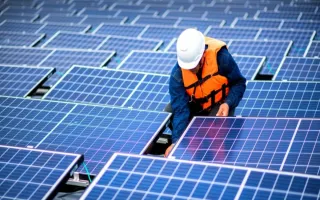
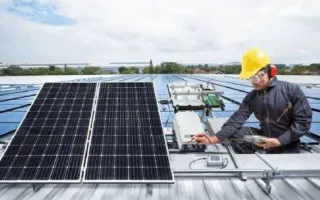
Certified solar technicians use advanced diagnostic tools such as:
- Thermal imaging cameras
- Electroluminescence testing
- IV curve tracing
- Digital multimeters
- Insulation resistance testing
- Performance monitoring software
These technologies detect hidden problems that are impossible to identify through visual inspection alone.
Tips to Prevent Solar Panel Efficiency Loss
Following preventive maintenance practices can keep your system operating at peak performance:
- Monitor energy production weekly through your solar monitoring app.
- Clean panels every 6–12 months or more frequently in dusty regions.
- Schedule professional inspections every 1–2 years.
- Trim nearby trees to eliminate new shading.
- Replace aging inverters before complete failure.
- Inspect your system after hailstorms or severe weather.
- Install critter guards to prevent rodent damage.
- Keep ventilation around the inverter unobstructed.
- Save maintenance records for warranty claims.
- Address small issues immediately before they become costly repairs.
State-Specific Notes
Texas
Texas experiences intense heat, frequent dust storms, and occasional hail. Homeowners should clean panels every 3–6 months in dusty areas and inspect systems after major storms to prevent long-term efficiency loss.
Florida
Florida's coastal humidity, salt air, and hurricane season can accelerate corrosion and damage electrical connections. Annual professional inspections are highly recommended, especially for homes near the ocean.
California
California homeowners should pay close attention during wildfire season. Ash, smoke, drought-related dust, and prolonged heat can reduce solar production. Additional cleaning may be necessary following wildfire events or extended dry periods.
Frequently Asked Questions
How much efficiency loss is normal for solar panels?
Most high-quality solar panels lose approximately 0.25–0.80% of their efficiency each year, depending on the manufacturer and panel type.
Can dirty panels significantly reduce electricity production?
Yes. Heavy dirt, pollen, or bird droppings can reduce energy production by 10–20%, making regular cleaning an important part of system maintenance.
Does replacing the inverter improve performance?
If the inverter is malfunctioning or has reached the end of its service life, replacing it can restore proper energy conversion and improve overall system output.
Can damaged panels be repaired?
Minor issues such as wiring or connector problems can often be repaired. Panels with severe cracks, delamination, or extensive moisture damage typically need replacement.
How often should I schedule a professional inspection?
Most experts recommend a comprehensive inspection every one to two years, along with additional inspections after severe storms or unexpected drops in energy production.
Conclusion
Solar panel efficiency loss is a normal part of long-term system operation, but excessive or sudden reductions in energy production often signal problems that require attention. Dirt buildup, shading, inverter issues, electrical faults, and aging components are among the most common causes—and many of these issues can be corrected with timely maintenance or repairs.
Routine inspections, regular cleaning, and professional diagnostics help homeowners maintain optimal system performance, maximize energy savings, and extend the life of their solar investment. By addressing efficiency losses early, you can avoid costly repairs and continue enjoying dependable, renewable energy for decades.
Want your solar system to perform at its best? Schedule a professional performance inspection, monitor your production regularly, and invest in preventive maintenance to protect your long-term solar savings.