How Often Should You Inspect and Clean Solar Panels? Expert Maintenance Guide for Maximum Energy Savings (2026)
- Why Regular Solar Panel Maintenance Matters
- Recommended Solar Panel Inspection Schedule
- How Often Should Solar Panels Be Cleaned?
- Typical Residential Cleaning Schedule
- Signs Your Solar Panels Need Cleaning Sooner
- How Dirty Solar Panels Affect Energy Production
- Professional Solar Panel Cleaning Costs (2026)
- Professional Inspection Costs
- Example Annual Maintenance Cost
- Can You Clean Solar Panels Yourself?
- What Professionals Inspect During Maintenance
- Seasonal Solar Maintenance Tips
- Spring
- Summer
- Fall
- Winter
- Common Maintenance Mistakes to Avoid
- State-Specific Notes
- Texas
- Florida
- California
- Tips for Maximizing Solar Panel Performance
- Frequently Asked Questions
- Do solar panels really need cleaning?
- How often should I inspect my solar panels?
- Can dirty panels reduce electricity production?
- Is professional cleaning worth the cost?
- Should I inspect my system after a storm?
How Often Should You Inspect and Clean Solar Panels? Expert Recommendations
Installing a solar panel system is a long-term investment that can generate clean electricity for 25 years or more. However, many homeowners mistakenly assume that solar panels are completely maintenance-free. While modern photovoltaic (PV) systems require relatively little upkeep compared to other home energy systems, routine inspections and periodic cleaning are essential to keep them operating at peak efficiency.
Dust, pollen, bird droppings, leaves, air pollution, and harsh weather can gradually reduce energy production. In addition, unnoticed issues such as loose wiring, microcracks, water intrusion, or inverter faults may lead to significant performance losses if left unresolved.
The good news is that maintaining your solar panels doesn't require constant attention. By following a simple inspection and cleaning schedule, you can maximize energy production, extend equipment lifespan, and protect your return on investment (ROI).
This guide explains how often homeowners should inspect and clean their solar panels, average maintenance costs in 2026, and expert recommendations based on climate and location.
Why Regular Solar Panel Maintenance Matters
Although solar panels have no moving parts, they are continuously exposed to outdoor conditions, including:
- UV radiation
- Rain and humidity
- Dust accumulation
- Bird droppings
- Falling leaves
- Snow and ice
- Strong winds
- Hail
- Salt air near coastal regions
Over time, these environmental factors can reduce system performance or damage components if maintenance is neglected.
Routine maintenance helps homeowners:
- Maintain maximum energy output
- Reduce electricity costs
- Prevent expensive repairs
- Detect problems early
- Extend system lifespan
- Protect manufacturer warranties
- Increase long-term ROI
Recommended Solar Panel Inspection Schedule
Experts generally recommend combining homeowner inspections with periodic professional evaluations.
| Inspection Type | Recommended Frequency |
|---|---|
| Visual inspection from the ground | Monthly |
| Check monitoring app | Weekly |
| Professional inspection | Every 1–2 years |
| Electrical system testing | Every 2–3 years |
| Roof mounting inspection | Every 2 years |
| Post-storm inspection | Immediately after severe weather |
Weekly monitoring through your solar app often detects issues before they become serious.
How Often Should Solar Panels Be Cleaned?
Cleaning frequency depends largely on your local environment.
Typical Residential Cleaning Schedule
| Environment | Recommended Cleaning |
|---|---|
| Normal suburban area | Every 6–12 months |
| Dusty locations | Every 3–6 months |
| Agricultural areas | Every 3–4 months |
| Coastal regions | Every 6 months |
| Heavy pollen areas | Twice per year |
| Near busy roads | Every 3–6 months |
| Bird-heavy locations | As needed |
Rain removes loose dust, but it cannot remove sticky contaminants like pollen, sap, or bird droppings.
Signs Your Solar Panels Need Cleaning Sooner
Instead of following only a calendar, homeowners should watch for warning signs.
Common indicators include:
- Lower-than-normal energy production
- Visible dirt buildup
- Bird droppings
- Tree sap
- Heavy pollen
- Dust after construction projects
- Wildfire ash
- Salt residue
If production drops unexpectedly while weather conditions remain similar, cleaning may restore efficiency.
How Dirty Solar Panels Affect Energy Production
Research shows that dirty solar panels may lose anywhere from 5% to 25% of their energy output depending on contamination levels.
Common causes of performance loss include:
| Cause | Estimated Production Loss |
|---|---|
| Light dust | 2–5% |
| Bird droppings | 5–15% |
| Heavy pollen | 5–10% |
| Tree sap | 10–20% |
| Wildfire ash | 10–25% |
| Coastal salt buildup | 5–12% |
Even modest efficiency losses can significantly impact annual savings.
Professional Solar Panel Cleaning Costs (2026)
Cleaning prices vary depending on roof height, accessibility, and system size.
| System Size | Average Cleaning Cost |
|---|---|
| 10–15 panels | $120–$180 |
| 16–25 panels | $180–$300 |
| 26–35 panels | $250–$400 |
| Large residential system | $350–$500 |
Many companies offer annual maintenance packages that include inspections and cleaning.
Professional Inspection Costs
Routine inspections are relatively inexpensive compared to major repairs.
| Service | Average Cost |
|---|---|
| Visual inspection | $150–$250 |
| Electrical inspection | $200–$400 |
| Thermal imaging inspection | $250–$500 |
| Performance analysis | $150–$350 |
| Complete maintenance visit | $300–$700 |
Thermal imaging is especially useful for detecting hidden hot spots and damaged cells.
Example Annual Maintenance Cost
A homeowner owns a 9 kW residential solar system.
Maintenance includes:
- Professional inspection
- Annual cleaning
- Performance testing
| Service | Cost |
|---|---|
| Cleaning | $250 |
| Inspection | $250 |
| Performance testing | $150 |
Total Annual Maintenance Cost: $650
If the maintenance restores just 10% additional energy production, the homeowner may recover much of that cost through lower electricity bills over the year.
Can You Clean Solar Panels Yourself?
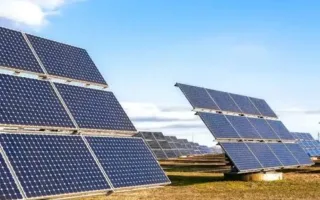
Many homeowners choose to clean accessible ground-mounted systems themselves. However, roof-mounted systems can present safety risks.
Safe DIY cleaning methods include:
- Soft brush
- Garden hose
- Microfiber cloth
- Distilled water if mineral deposits are common
- Mild soap approved for solar panels
Avoid using:
- Pressure washers
- Abrasive brushes
- Harsh chemicals
- Metal scrapers
- Walking directly on panels
When in doubt, hire a professional cleaning service.
What Professionals Inspect During Maintenance
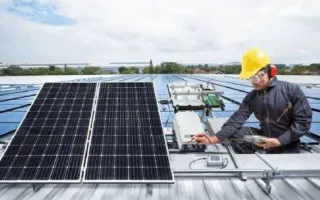
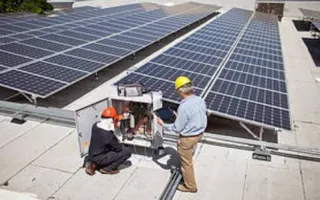
A comprehensive inspection typically includes:
- Panel glass condition
- Frame integrity
- Mounting hardware
- Roof flashing
- Wiring connections
- Inverter diagnostics
- Optimizers or microinverters
- Grounding system
- Junction boxes
- Energy production analysis
- Thermal imaging (if needed)
These checks can identify issues that are invisible during a basic visual inspection.
Seasonal Solar Maintenance Tips
Spring
- Remove pollen buildup
- Inspect after winter storms
- Check roof flashing
Summer
- Monitor for overheating
- Remove dust accumulation
- Inspect inverter ventilation
Fall
- Clear leaves and debris
- Trim nearby trees
- Prepare for winter
Winter
- Monitor snow accumulation
- Check for ice damage
- Inspect after freezing weather
A seasonal routine keeps your system performing consistently year-round.
Common Maintenance Mistakes to Avoid
Many homeowners unintentionally reduce system performance by making avoidable mistakes.
Avoid:
- Ignoring monitoring alerts
- Waiting years between inspections
- Using abrasive cleaning tools
- Walking on solar panels
- Cleaning during hot midday temperatures
- Hiring unqualified contractors
- Forgetting post-storm inspections
Preventive maintenance is far less expensive than emergency repairs.
State-Specific Notes
Texas
Texas homeowners should inspect solar panels after hailstorms and clean them every 3–6 months due to frequent dust and extreme heat. Systems in rural areas may require more frequent cleaning because of airborne dirt.
Florida
Florida's humidity, tropical storms, and salt air can accelerate corrosion. Homeowners should schedule annual professional inspections and clean coastal systems at least twice a year.
California
California's dry climate, wildfire ash, drought-related dust, and pollen can significantly reduce efficiency. Homeowners should monitor production closely during wildfire season and increase cleaning frequency if ash accumulates.
Tips for Maximizing Solar Panel Performance
- Monitor your production weekly through your solar app.
- Schedule professional inspections every 1–2 years.
- Clean panels before heavy summer energy usage.
- Trim trees that create new shading.
- Inspect immediately after hail or severe storms.
- Keep inverter vents free of debris.
- Save maintenance records for warranty claims.
- Hire certified solar technicians for electrical repairs.
- Replace aging inverters before failure.
- Address small issues before they become expensive repairs.
Frequently Asked Questions
Do solar panels really need cleaning?
Yes. While rain removes some loose dirt, it cannot remove pollen, bird droppings, tree sap, or heavy dust that significantly reduce efficiency.
How often should I inspect my solar panels?
Perform a visual inspection monthly, monitor energy production weekly, and schedule a professional inspection every one to two years.
Can dirty panels reduce electricity production?
Yes. Depending on the level of contamination, dirty panels can lose between 5% and 25% of their energy production.
Is professional cleaning worth the cost?
For roof-mounted systems, professional cleaning is often worthwhile because it improves safety, protects equipment, and restores efficiency.
Should I inspect my system after a storm?
Absolutely. Hail, strong winds, and falling branches can damage panels or loosen mounting hardware. Always inspect the system after severe weather.
Conclusion
Although solar panels require less maintenance than many home systems, they are not completely maintenance-free. Regular inspections and periodic cleaning play a vital role in maintaining peak performance, reducing electricity costs, and extending the lifespan of your investment.
Experts recommend checking system performance weekly, performing visual inspections monthly, cleaning panels every 6–12 months—or more often in dusty or coastal environments—and scheduling professional inspections every one to two years.
By following a proactive maintenance schedule, homeowners can prevent costly repairs, maximize energy production, and enjoy decades of reliable solar savings.
Ready to protect your solar investment? Schedule a professional inspection and cleaning today to ensure your system continues delivering maximum performance year after year.