Can Your Roof Support Solar Panels? Professional Roof Inspection Guide (2026)
- Roof Age
- Structural Integrity
- Roof Material
- Roof Orientation
- Roof Pitch
- Roof Size
- Missing or damaged shingles
- Soft roof decking
- Poor attic ventilation
- Existing leaks
- Tree shading
- Structural sagging
- Texas
- Florida
- California
- Can most residential roofs support solar panels?
- How much does a roof inspection cost before installing solar?
- Should I replace my roof before installing solar?
- Which roof material is best for solar panels?
- Can solar panels damage my roof?
Can Your Roof Support Solar Panels? Professional Roof Inspection Guide
Installing solar panels is one of the smartest long-term investments homeowners can make, but before choosing panels or comparing installer quotes, there's one critical question to answer:
Can your roof safely support a solar energy system?
While most modern homes are structurally capable of supporting residential solar panels, not every roof is an ideal candidate. Roof age, structural integrity, material type, orientation, shading, and local weather conditions all influence whether your home is ready for solar.
Installing panels on a roof that requires repairs or replacement can lead to unnecessary costs later, since removing and reinstalling a solar array is significantly more expensive than addressing roofing issues beforehand.
A professional roof inspection helps determine whether your roof can safely support a solar system for the next 25 to 30 years while maximizing energy production and protecting your investment.
This comprehensive guide explains everything homeowners should know before installing solar panels, including roof requirements, structural inspections, average repair costs, warning signs, and expert recommendations for 2026.
Why Roof Inspections Are Essential Before Installing Solar
Solar panels are designed to remain on your roof for decades.
If roofing problems develop after installation, homeowners may face additional costs for:
- Removing solar panels
- Roof replacement
- Reinstallation
- Electrical reconnection
- New permits
- Production downtime
A professional inspection identifies these issues before installation begins.
Benefits include:
- Improved safety
- Better system performance
- Lower lifetime costs
- Longer roof lifespan
- Protection of manufacturer warranties
- Increased property value
How Much Weight Do Solar Panels Add?
Many homeowners worry that solar panels are too heavy.
In reality, most residential systems add only:
2.5–4 pounds per square foot
Typical roof loads include:
| Component | Approximate Weight |
|---|---|
| Solar panels | 2.5–3 lbs/sq ft |
| Mounting hardware | 0.5–1 lb/sq ft |
| Total installed load | 3–4 lbs/sq ft |
Most modern roofs are engineered to handle significantly greater loads, including snow, wind, and roofing materials.
Roof Requirements for Solar Installation
Professional installers evaluate several important factors.
Roof Age
A roof should ideally have 15 years or more of remaining life before solar installation.
General guideline:
| Roof Age | Recommendation |
|---|---|
| Less than 10 years | Excellent candidate |
| 10–15 years | Usually acceptable |
| 15–20 years | Professional inspection recommended |
| Over 20 years | Consider roof replacement first |
Installing solar on an aging roof often increases long-term costs.
Structural Integrity
Inspectors evaluate:
- Roof framing
- Rafters
- Trusses
- Decking
- Load capacity
Signs of structural concerns include:
- Sagging
- Water damage
- Rot
- Broken rafters
- Cracked decking
Roof Material
Some roofing materials are better suited for solar.
| Roof Type | Solar Compatibility |
|---|---|
| Asphalt shingles | Excellent |
| Standing seam metal | Excellent |
| Concrete tile | Very Good |
| Composite shingles | Excellent |
| Clay tile | Good (requires experienced installer) |
| Wood shake | Moderate |
| Slate | Difficult and expensive |
Asphalt shingles remain the most common and cost-effective option for residential solar.
Roof Orientation
In the United States:
- South-facing roofs produce the highest annual output.
- East- and west-facing roofs can still generate excellent energy.
- North-facing roofs are generally less productive, though modern high-efficiency panels may still make them viable in some regions.
Roof Pitch
Ideal roof slopes range from:
20° to 40°
Steeper or flatter roofs can still accommodate solar systems with specialized mounting hardware.
Roof Size
Adequate roof space is essential.
Approximate requirements:
| System Size | Roof Area Needed |
|---|---|
| 4 kW | 220–300 sq ft |
| 6 kW | 330–450 sq ft |
| 8 kW | 450–600 sq ft |
| 10 kW | 550–750 sq ft |
| 12 kW | 700–900 sq ft |
Exact requirements vary based on panel efficiency.
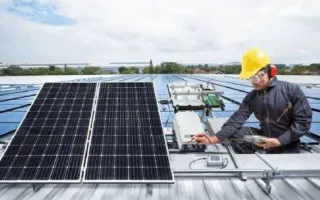
What Happens During a Professional Roof Inspection?
A qualified solar or roofing professional evaluates:
- Roof age
- Shingle condition
- Flashing
- Water damage
- Structural framing
- Roof penetrations
- Attic ventilation
- Decking condition
- Existing leaks
- Drainage
- Tree shading
- Chimneys and vents
- Wind exposure
- Roof measurements
Many companies now use drones and 3D imaging to improve inspection accuracy.
Common Problems Found During Roof Inspections
Professional inspectors frequently discover:
Missing or damaged shingles
Can lead to future leaks.
Soft roof decking
Indicates moisture damage.
Poor attic ventilation
Can increase roof temperatures and shorten roof lifespan.
Existing leaks
Should always be repaired before installation.
Tree shading
May significantly reduce solar production.
Structural sagging
Requires engineering evaluation before installing solar equipment.
Average Roof Preparation Costs (2026)
| Service | Average Cost |
|---|---|
| Professional roof inspection | $200–$500 |
| Structural engineering assessment | $400–$1,200 |
| Minor roof repair | $300–$1,500 |
| Flashing replacement | $300–$900 |
| Roof reinforcement | $1,500–$5,000 |
| Full roof replacement | $8,000–$22,000 |
| Solar removal & reinstall after reroof | $2,000–$6,000 |
Preparing the roof before installation is almost always more economical than removing panels later for repairs.
Example Roof Inspection Cost Calculation
A homeowner plans to install a 9 kW residential solar system.
The inspection identifies:
- Minor flashing repairs
- Several damaged shingles
- One shaded area requiring tree trimming
| Service | Cost |
|---|---|
| Roof inspection | $300 |
| Flashing repair | $450 |
| Roof repair | $900 |
| Tree trimming | $600 |
Total Preparation Cost: $2,250
Although this adds to the initial project cost, completing these repairs before installation helps avoid far more expensive panel removal and roof work in the future.
Should You Replace Your Roof Before Installing Solar?
If your roof has less than 10–15 years of expected life remaining, replacement before solar installation is usually the better financial decision.
Replacing the roof first avoids:
- Panel removal costs
- Production downtime
- Additional labor
- Electrical reconnection expenses
- Permit fees
Planning both projects together often results in lower overall costs.
How to Prepare Your Roof for Solar Installation
Homeowners can improve installation readiness by:
- Repairing leaks promptly.
- Replacing damaged shingles.
- Trimming trees that create shade.
- Cleaning roof debris.
- Checking attic ventilation.
- Reinforcing weakened framing if necessary.
- Scheduling a structural inspection before signing a solar contract.
- Keeping roof warranty documentation.
Tips for Choosing a Qualified Roof Inspector
Before hiring an inspector:
- Verify licensing and insurance.
- Ask about solar-specific inspection experience.
- Request written inspection reports.
- Ask whether drone imaging is included.
- Compare multiple quotes.
- Review customer reviews.
- Confirm structural assessments when needed.
- Ensure coordination between roofing and solar contractors.
State-Specific Notes
Texas
Texas homeowners should prioritize roofs with strong hail resistance due to frequent severe storms. Annual inspections after major weather events help identify damage before installing or expanding a solar system.
Florida
Florida building codes require roofs and mounting systems to withstand high hurricane wind loads. Coastal homeowners should also inspect for corrosion caused by salt air and maintain roof flashing regularly.
California
California homeowners should evaluate roofs for wildfire exposure, seismic considerations, and aging under prolonged UV radiation. Battery-ready installations are increasingly common because of time-of-use electricity rates and Public Safety Power Shutoff (PSPS) events.
Frequently Asked Questions
Can most residential roofs support solar panels?
Yes. Most modern residential roofs are designed to safely support the additional weight of a solar system, provided the roof is in good structural condition.
How much does a roof inspection cost before installing solar?
Professional roof inspections generally cost between $200 and $500, while structural engineering evaluations may cost $400 to $1,200 if additional analysis is needed.
Should I replace my roof before installing solar?
If your roof is nearing the end of its lifespan, replacing it before installation is usually more cost-effective than removing and reinstalling solar panels later.
Which roof material is best for solar panels?
Asphalt shingles and standing seam metal roofs are generally considered the easiest and most cost-effective roofing materials for residential solar installations.
Can solar panels damage my roof?
When installed correctly by experienced professionals using quality mounting systems, solar panels should not damage your roof. In many cases, they can even protect roofing materials from direct sun exposure.
Conclusion
A professional roof inspection is one of the most important steps in planning a successful residential solar installation. While most homes can safely support solar panels, factors such as roof age, structural condition, material type, orientation, and remaining lifespan all influence whether your roof is truly ready for a 25- to 30-year solar investment.
Addressing roofing issues before installation can prevent costly panel removal, extend both roof and solar system life, and maximize long-term energy production.
By working with qualified roofing and solar professionals, homeowners can confidently invest in a system that delivers decades of reliable energy savings while protecting one of their home's most valuable assets.
Planning to install solar panels? Schedule a professional roof inspection first, compare certified installers, and ensure your roof is ready to support a high-performance solar energy system for decades to come.